
West City Farm, Est. 2016
Doug and 1,000+ Hives
A steel-and-construction guy turned Hollywood producer turned beekeeper — eight years that turned three hives into the whole business.

Chapter One
From the Set to the Hive
Doug didn't come up through farming. He worked construction and steel before spending years in Hollywood as a producer — a career with about as little to do with beekeeping as it's possible to get. What pulled him out was realizing how much the food system actually runs on pollination, and how little almost anyone outside beekeeping actually understood about it.
In 2016, that realization turned into fifteen acres in the southern Willamette Valley, the Long Tom River running along the property's western edge, and three hives of his own. It wasn't a hobby he eased into — the more time he spent with the bees, the more it became the whole operation.
“The first time I cracked open that cedar hive, the smell was so different — floral and almost savory at the same time. I knew right then that however we were keeping those bees was changing the honey.”
Doug, West City Farm

Chapter Two
Two Hive Systems, By Design
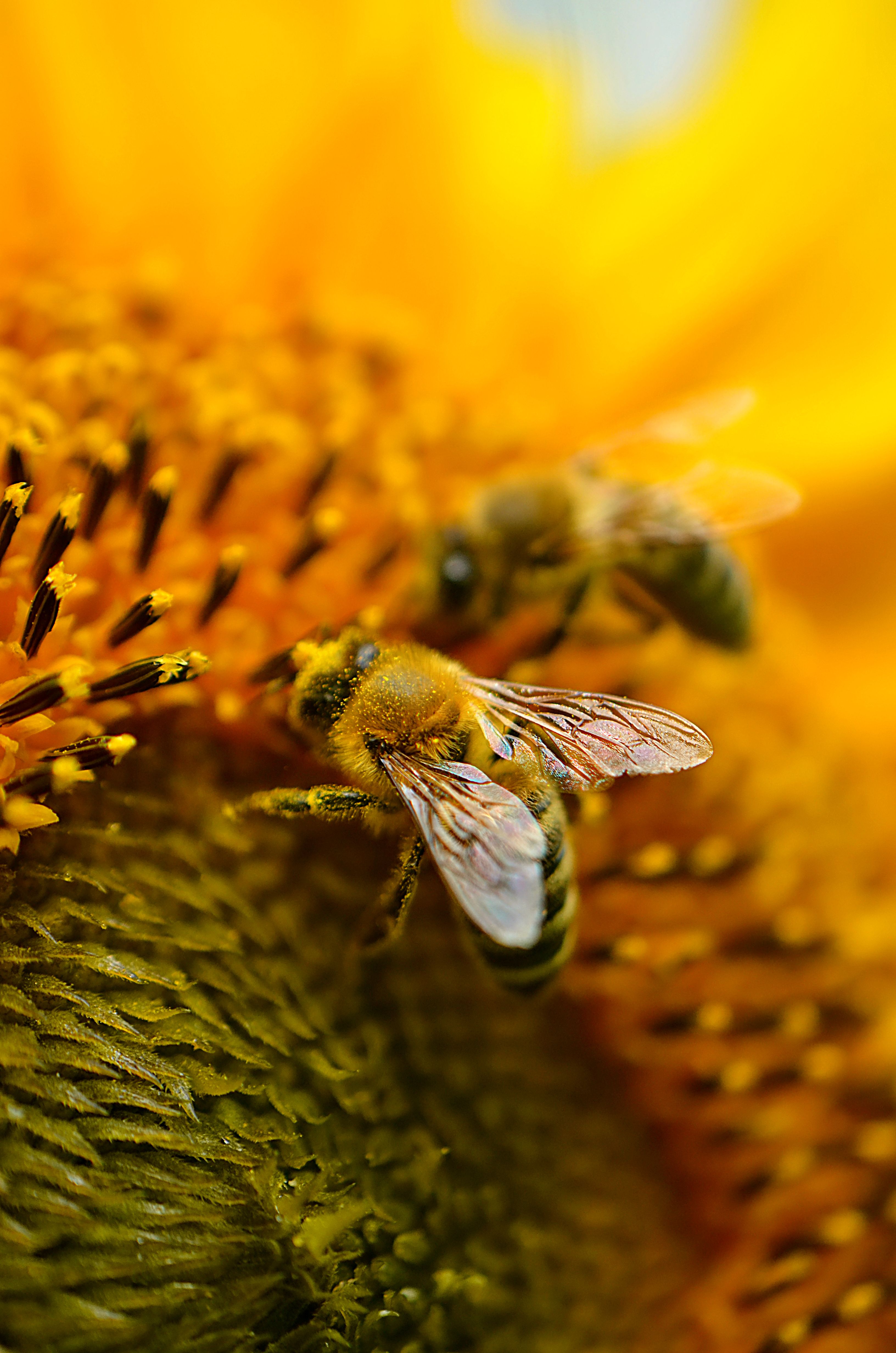
West City Farm runs two hive designs side by side, not one replacing the other. Cedar top-bar hives — sourced from a coast-range mill and sealed with raw linseed oil — let bees build natural comb and stay calmer, but produce noticeably less honey per season. Standard Langstroth hives make up the rest of the operation, doing the heavier lifting on yield. Each does a job the other doesn't.
Chapter Three
The Name
Queenie-B is named for the property itself — West City Farm — and for the colony that runs it. The name comes straight from the queen bee: every hive revolves around her.
“We named it Queenie-B because every hive runs on the queen. Everything we do is in service of her colony — we're just the ones who get to harvest what she oversees.”
Doug, West City Farm

Chapter Four
The Science Matters
In 2022, we partnered with Pacific Northwest Labs in Corvallis for third-party testing on every batch. A QR code on every jar links to its public batch report.
Chapter Five
What Comes Next
1,000+ hives is a deliberate ceiling, not a floor. Doug declined a Portland restaurant supply contract that would have required tripling production. These days, before coffee, before email, Doug still walks the rows to check on the hives — a habit from year one that never got restructured out of the schedule.
“Scaling past that would mean becoming something different — a business instead of a farm.”
Doug, West City Farm
2016 – 2025
Nine Years, One Farm
2016
First Hives
Three Langstroth hives on the new property. 22 lbs of honey in the first harvest.
2017
First Cedar Hive
Doug hand-builds the first top-bar hive from salvaged cedar, run alongside the original Langstroth colonies.
2018
Queenie-B Brand Launch
Custom jars, and the buckwheat honey wins a regional competition.
2019
Cedar Hives Scale Up
Roughly half the operation converts to cedar top-bar; the rest stays Langstroth — a deliberate mix, not a full changeover.
2020
First Farmers Market Season
Eugene Saturday Market and the Lane County Fair.
2022
Lab Transparency Program
Pacific Northwest Labs partnership begins; QR batch tracking on every jar.
2023
Farm Store Opens
CSA boxes, farm tours, and the 1,000+ hive ceiling policy is set.
2025
Now
Shipping to 48 states and building out a beekeeping education program.